Of course, not every inflammation of the skin is related to this type of eczema, so before you even start treatment make sure you are properly diagnosed.
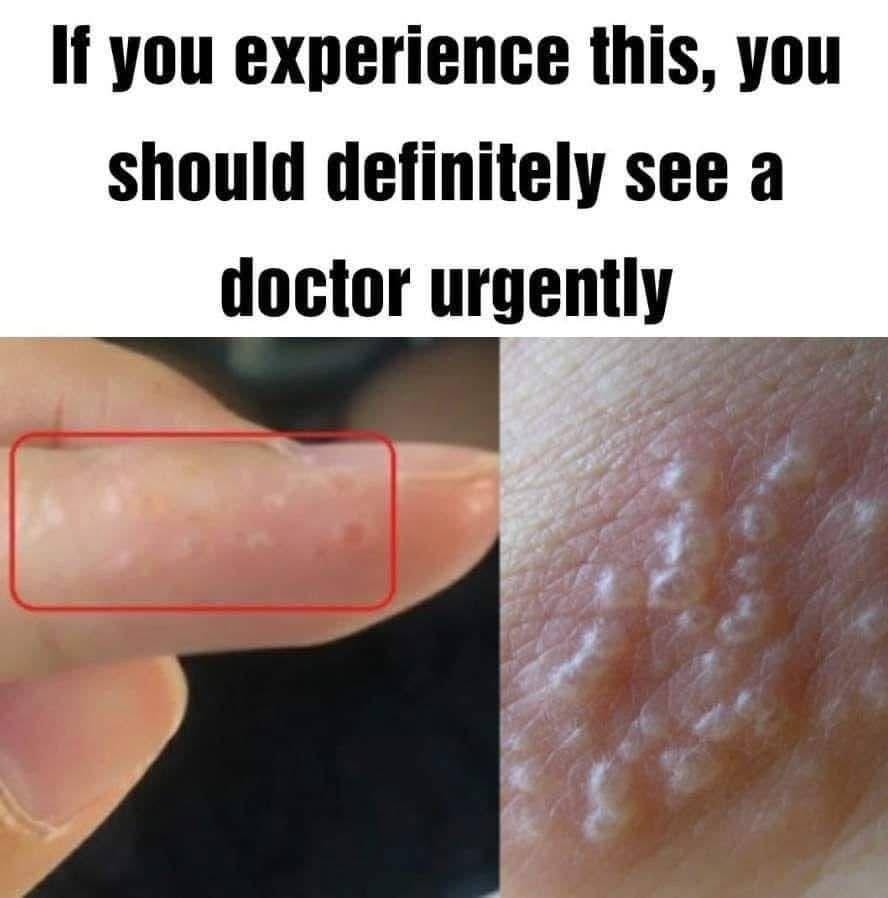
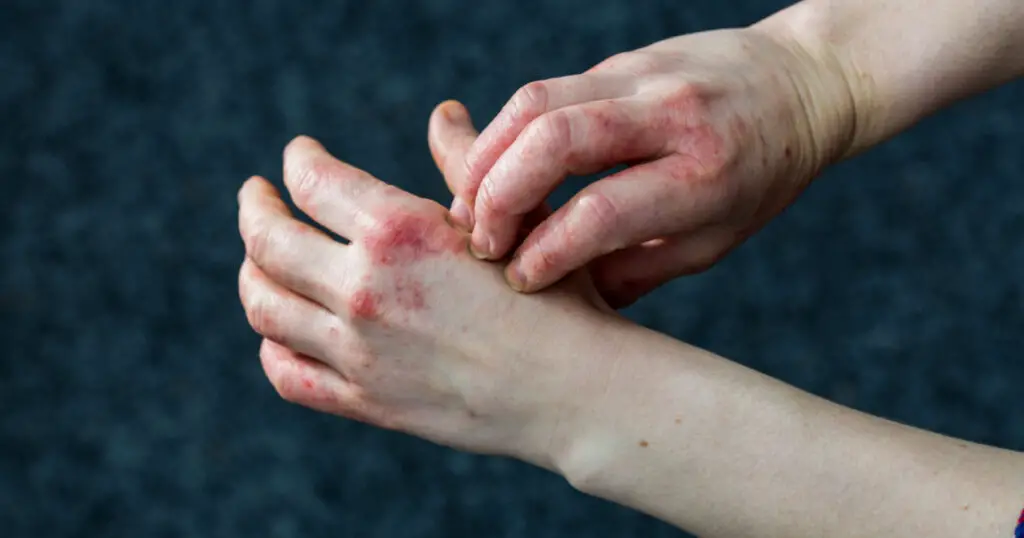
Some of the most common symptoms of dyshidrotic eczema are:
- Deep-set blisters on hands and feet (specifically on the edges of the fingers, toes, palms, and soles of the feet)
- Itching
- Redness
- Flaking
- Scaly, cracked skin
- Pain
People with contact dermatitis, atopic eczema, or hay fever are at a higher risk of developing dyshidrotic eczema. Sadly, it has a tendency to get infected, which delays the healing process.