What Your Sleep Position Says About Your Comfort & Health

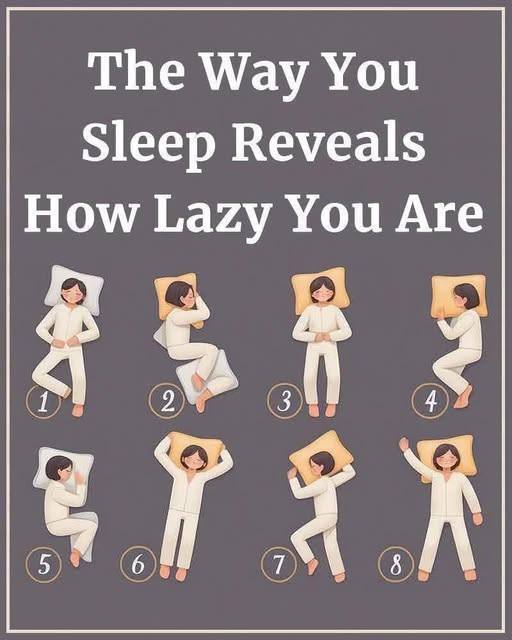
- Most popular, especially among women
- Can ease snoring and improve circulation during pregnancy
Drawback: Tucking too tightly may restrict deep breathing or strain lower back
Tip: Place a pillow between your knees to align hips and reduce pressure.
2. On Your Back (Supine)
- Best for spine and neck alignment
- Helps prevent acid reflux (head elevated)
May worsen snoring or sleep apnea due to tongue collapse - Ideal for those with GERD or chronic back pain — use a supportive pillow.
3. On Your Stomach (Prone)
- Worst for spinal health — twists the neck and flattens natural curves
- May relieve snoring slightly
Increases pressure on joints and organs
Not ideal, but if you must: use a thin pillow (or none) and place one under your pelvis to reduce strain.
4. Side Sleeping (Left or Right)
- Excellent for brain detoxification (via glymphatic system)
- Left side may aid digestion and heart health
- Reduces sleep apnea symptoms compared to back sleeping
Recommended for most people — especially those with respiratory or circulatory concerns.
How to Improve Your Sleep Posture
Continued on the next page